
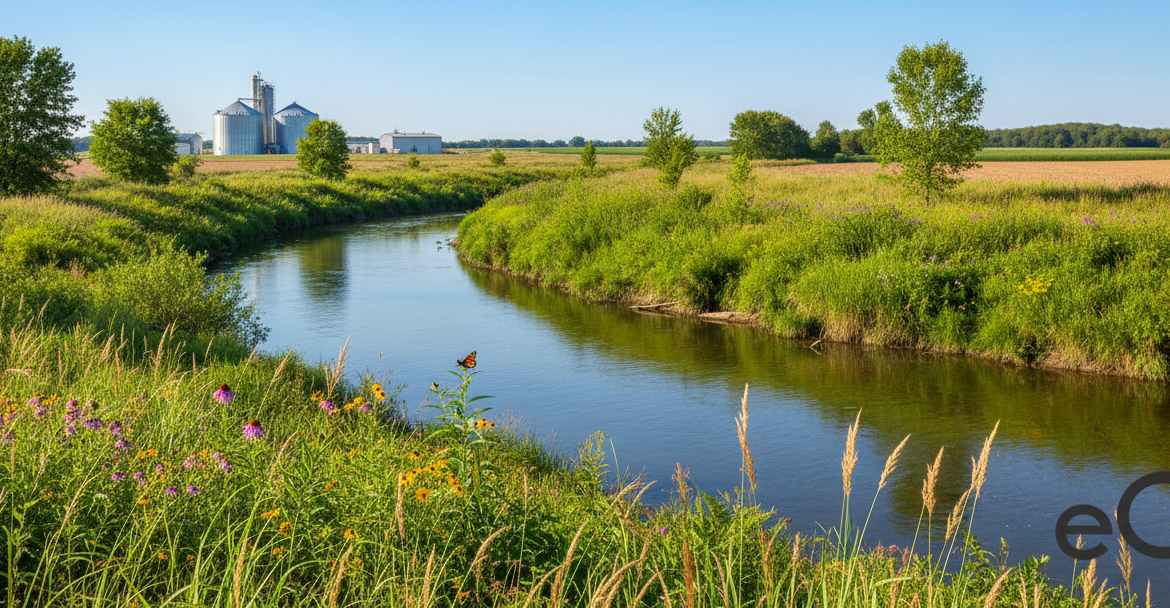
Biodiversity conservation is no longer just a topic for environmental NGOs—it’s now a material business issue tied to supply chain resilience, regulatory risk, brand trust, and long-term asset value. The good news: companies don’t need to wait for a perfect dataset or a multi-year program to begin. This year, most organizations can establish a baseline, select meaningful biodiversity metrics, and launch targeted initiatives that support ecosystem restoration and nature-based solutions in places that matter most to their operations.
This article breaks down what businesses can realistically measure now, what to improve within 12 months, and how to turn biodiversity conservation into a credible, reportable part of your sustainability strategy.
Why biodiversity conservation has become a business priority
Nature underpins the economy—water availability, soil health, pollination, flood protection, and climate stability all depend on functioning ecosystems. As these systems degrade, companies face tangible impacts:
- Operational risk (water stress, extreme weather, land degradation)
- Supply chain instability (yield volatility, quality issues, input price shocks)
- Regulatory and disclosure pressure (increasing expectations on nature and land-use impacts)
- Financing and insurance scrutiny (nature-related risk increasingly affects access to capital)
- License to operate (community, stakeholder, and customer expectations)
For many organizations, the most effective starting point is not “doing everything everywhere,” but identifying where your footprint interacts most with nature—and focusing there first.

What companies can measure this year (without waiting for perfection)
1) Your nature footprint: where operations intersect with ecosystems
Start with a map-based view of your direct operations and key suppliers. Even a high-level screen can reveal priority areas:
- Proximity to protected areas or key biodiversity areas
- Presence in deforestation- or conversion-risk regions
- Exposure to water stress basins and flood-prone zones
- Known habitat fragmentation or degraded land contexts
This is the foundation for setting a credible scope for biodiversity conservation, ecosystem restoration, and nature-based solutions.
2) Land-use and habitat indicators that show real pressure on biodiversity
You can measure land-related impact quickly using operational and procurement data:
- Land area used/managed (by ecosystem type where possible)
- Natural habitat conversion (avoided, reduced, or remediated)
- Deforestation/conversion-free status for key commodities
- Habitat connectivity (e.g., presence of ecological corridors, buffer zones)
- Invasive species risk and management actions at sites
These indicators help translate “biodiversity conservation” into measurable operational levers.
3) Biodiversity metrics that are practical for companies
Many teams get stuck because biodiversity feels too complex to quantify. A pragmatic approach is to use a tiered metric set:
Core biodiversity metrics (easy to establish this year)
- % of sites screened for biodiversity sensitivity
- # of priority sites with biodiversity action plans
- Area (ha) under improved management (e.g., reduced chemicals, buffer restoration)
- Supplier coverage for deforestation/conversion-free requirements
Outcome-oriented biodiversity metrics (good for priority sites)
- Habitat quality proxies (vegetation cover, riparian condition, erosion rate)
- Species observations (indicator species presence/absence where relevant)
- Water quality indicators (turbidity, nutrient loading) in sensitive catchments
- Restored area progress and survival rates (where restoration is implemented)
A strong biodiversity strategy often combines both: core coverage metrics to scale across the business, plus outcome metrics where the impact is highest and most material.
What companies can improve in the next 12 months?
1) Launch ecosystem restoration, which reduces business risk
Ecosystem restoration isn’t just planting trees. It’s about restoring ecological function—often with direct business value. Examples:
- Riparian restoration to reduce flood risk and improve water quality
- Wetland rehabilitation for water storage and natural filtration
- Revegetation and erosion control to protect soil productivity
- Habitat corridor restoration to support species movement and resilience
When restoration is tied to operational risk or supplier stability, it’s easier to secure internal buy-in and budget.
2) Implement nature-based solutions with clear performance indicators
Nature-based solutions can reduce emissions and also strengthen biodiversity—if designed properly. The key is setting performance indicators that go beyond carbon:
- Biodiversity co-benefits (habitat diversity, native species composition)
- Water and soil benefits (infiltration, erosion reduction, nutrient retention)
- Long-term maintenance and monitoring plans
Well-designed nature-based solutions can become a credible part of your sustainability portfolio—especially when paired with biodiversity metrics that demonstrate outcomes.
3) Build supplier requirements that prevent biodiversity loss upstream
For many businesses, the biggest biodiversity impacts are embedded in purchased goods. This year, you can:
- Prioritize top commodities and regions
- Introduce deforestation/conversion-free clauses
- Require supplier location data (even if partial to start)
- Pilot supplier improvement programs in high-risk areas
- Track supplier coverage and progress using simple scorecards
Supplier engagement is one of the fastest routes to meaningful biodiversity conservation at scale.
How to structure a company biodiversity plan (simple, effective, credible)
Step 1: Screen and prioritize
Identify where your operations and suppliers intersect with sensitive ecosystems and high nature-risk regions.
Step 2: Set a baseline using biodiversity metrics
Choose a small set of metrics you can collect consistently—then improve fidelity over time.
Step 3: Select interventions
Match actions to place-based risks: ecosystem restoration, water catchment improvements, habitat connectivity, supplier conversion-free programs, or nature-based solutions.
Step 4: Monitor, report, and improve
Track progress quarterly. Use coverage metrics across the portfolio and deeper outcome metrics at priority sites.
To connect biodiversity conservation to broader sustainability performance, many companies also benefit from a measurement approach that makes “invisible losses” visible and decision-ready—see eCO2U’s perspective on Sustainable Engineering here: Sustainable Engineering – Turning Invisible Losses into Measurable Impact.
Service spotlight: biodiversity metrics, ecosystem restoration & nature-based solutions (what to ask for)
If you’re engaging a sustainability partner, look for support that includes:
Biodiversity metrics & monitoring
- Site screening and prioritization
- Practical KPI frameworks (coverage + outcomes)
- Monitoring plans aligned to your operations and reporting needs
Ecosystem restoration planning
- Restoration feasibility and design
- Native species and habitat considerations
- Maintenance planning and survival/performance tracking
Nature-based solutions implementation
- Project selection and integrity safeguards
- Co-benefit measurement (biodiversity + water + soil)
- Long-term monitoring and credible claims
For an overview of how eCO2U supports environmental performance and measurable outcomes, explore: eCO2U.
Make biodiversity measurable this year
Biodiversity conservation becomes manageable once it’s translated into a small set of decisions: where you operate, what you buy, what ecosystems you affect, and which interventions reduce risk while restoring nature. With the right biodiversity metrics, targeted ecosystem restoration, and credible nature-based solutions, companies can show real progress within 12 months—while strengthening resilience for the long term.
Want to identify your priority nature-risk areas, choose the right biodiversity metrics, and build an ecosystem restoration or nature-based solutions plan you can execute this year? Schedule a consultation with eCO2U or learn more about our approach here: eCO2U.